
5 REASONS WHY YOU LIE AWAKE REPLAYING YOUR SHIFT — AND WHAT THAT 2 A.M. FEELING IS ACTUALLY TELLING YOU
★★★★★
4.9 Stars — 11,000+ Verified Nurse Readers
1.
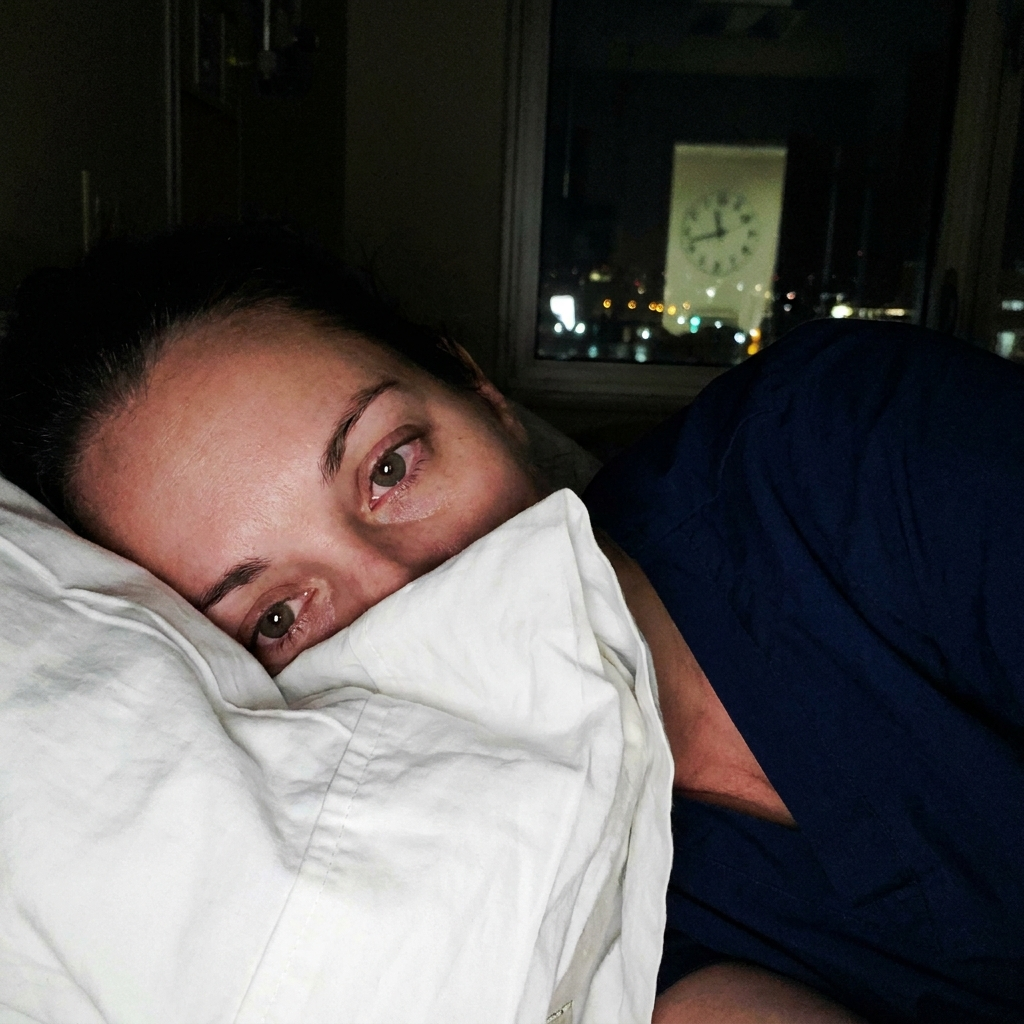
IT'S 2 A.M. AND YOU'RE BACK ON THE UNIT IN YOUR HEAD
Room 4. The change you caught late in the shift. The thing you meant to go back and chart. You're not at work anymore — you're in bed, in the dark, and yet you're walking the whole shift back frame by frame like it's still happening. Did you write it the way you'd want it read? Did you leave anything out?
Every nurse knows this feeling and almost no one talks about it. You're exhausted. You have to be up in four hours to do it all again. And instead of sleeping, your mind is running quality assurance on a day that already ended, circling the same two or three moments it can't quite put down.
It doesn't make you anxious or dramatic. It makes you a nurse who carries the weight of the job home because the job is heavy. But that 2 a.m. replay isn't random, and it isn't nothing. It's pointing at something specific — and once you understand what it's actually telling you, you can finally make it stop.
THIS IS ME EVERY NIGHT AFTER A HARD SHIFT
Teresa K.

Verified Buyer
"I've laid awake replaying shifts more times than I can count, sure I was the only one who did it. Seeing it described exactly was almost a relief. It made me realize the feeling was trying to tell me something."
2.
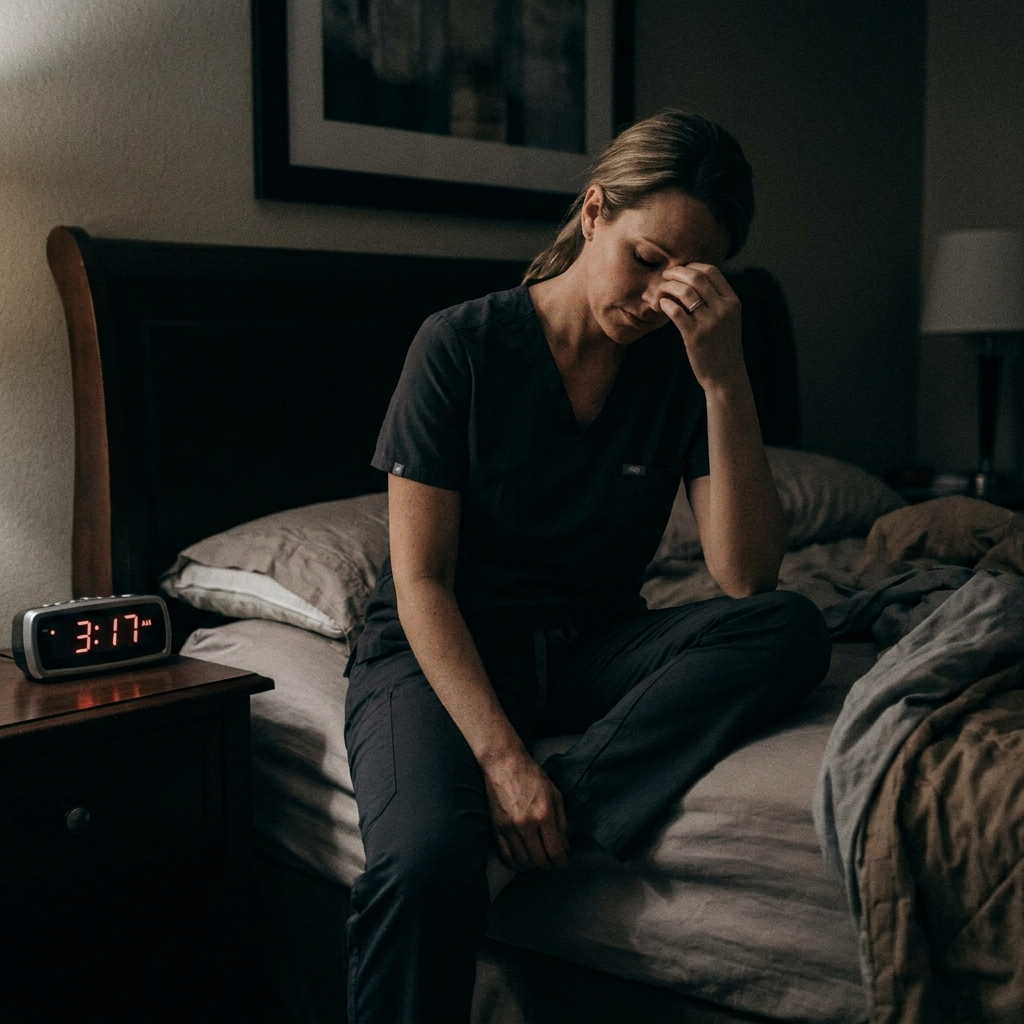
YOU'RE NOT REPLAYING IT BECAUSE YOU DID SOMETHING WRONG
Here's the part that matters, and it's the opposite of what the feeling makes you assume. You almost certainly didn't make a mistake. You caught the change. You made the call. You did the work. If anything, you're the kind of nurse who cares enough to lie awake, which is not the kind who cuts corners.
So why won't your mind let it go? Because it isn't sure the chart shows what you did. That's the whole thing. You're not re-running the shift to find an error — you're re-running it because some experienced part of you knows the note might not fully speak for you, and it's trying to hold the gap together with memory. The replay is that gap, made audible at 2 a.m.
And "I know I did it right" is a thin thing to hold in the dark. It's thinner still two years from now, when the shift is gone from your memory entirely and the only thing left is the note. The feeling isn't lying to you. It's reading — accurately — that the record you left behind might not carry the weight you need it to. That's not a reason to panic. It's a reason to fix the one thing the feeling keeps pointing at.
IT WASN'T ABOUT DOING SOMETHING WRONG
Denise H.
Verified Buyer
"I always assumed the replaying meant I'd messed up somehow. This helped me see it was really about whether my charting backed me up. That distinction changed how I think about every note — and honestly how I sleep."
3.
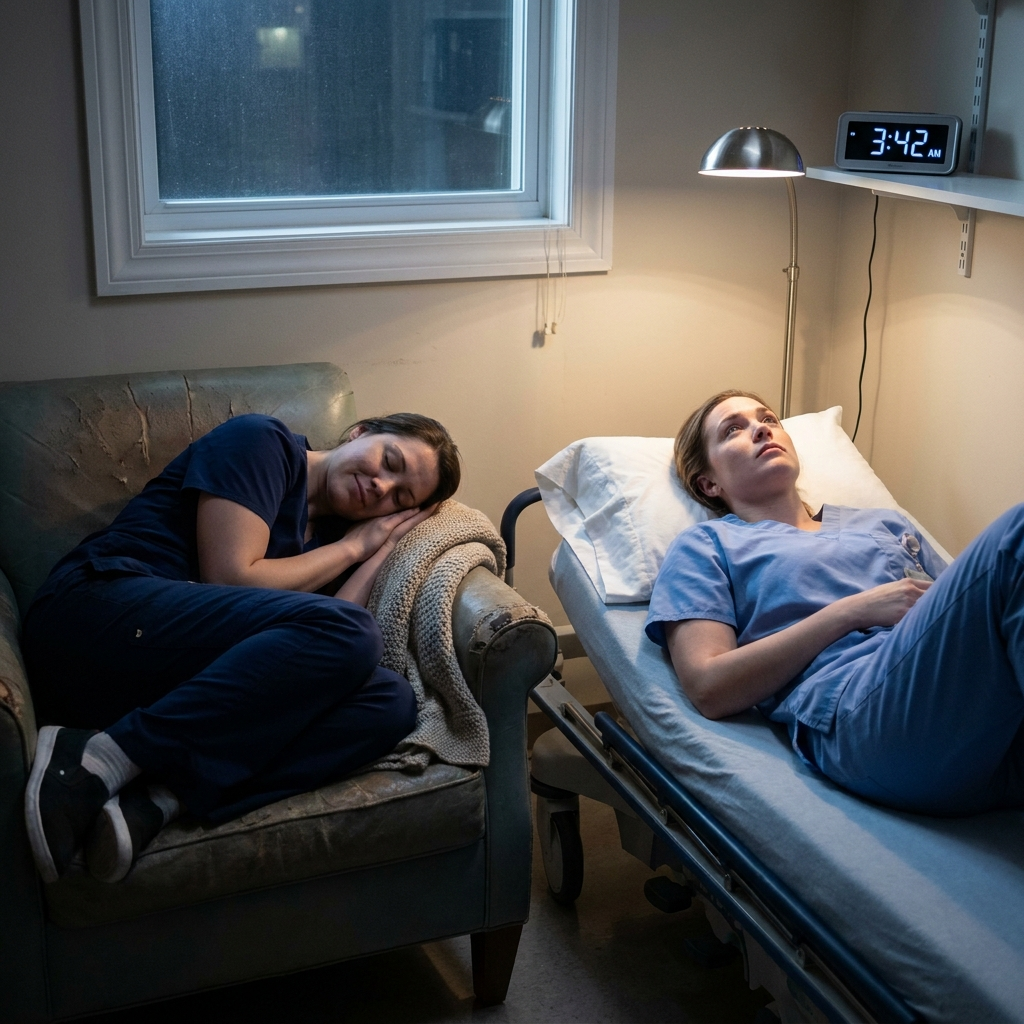
BUT HERE'S WHAT CHANGES EVERYTHING
Now picture the nurse who's asleep right now. Same unit, same patients, same heavy day. She isn't less caring than you and she didn't have an easier shift. The difference is that her chart already answered the question — so there's nothing left in her head to re-run. Her mind isn't guarding a gap, because there is no gap.
Here's the pivot almost no one understands until someone shows them. The replay stops when the note is built to speak for itself. When the reasoning is on the page, when the call is timestamped, when the specific detail is captured — the record holds the answer, and your mind is finally allowed to put it down. She's not sleeping because she worries less. She's sleeping because she has nothing left to worry about.
That's the whole difference between the two of you, and it has almost nothing to do with how much you care or how good you are at the bedside. Caring was never the variable — if it were, the most dedicated nurses would sleep the worst, and you already know that's exactly backwards. The variable is whether the chart can answer without you. Most nurses were never taught to write one that can, because nobody teaches defensive documentation. One legal nurse consultant set out to change that.
FINALLY UNDERSTOOD THE REAL ISSUE
Priya S.
Verified Buyer
"I always thought the nurses who slept fine just cared less than I did. This showed me it's not that at all — their charting simply holds the answer so their mind can rest. It completely reframed the problem for me."
4.
THERE'S A WAY TO WRITE SO THE NOTE ANSWERS THE QUESTION BEFORE YOU ASK IT
The reason it works when other resources don't: it's a way of reading your own notes, not a pile of tips. You learn to see one phrase the way a plaintiff's attorney will, then the next, and each fix quietly makes the one after it easier. You're never asked to chart more or stay later — just to write the same note a smarter way, so it stands on its own years from now.
A few of the first fixes:
Kill the phrase that hangs nurses — Swap "will continue to monitor" for a specific, documented action, so it can't be twisted into proof you saw a problem and did nothing.
Pair every quote with a fact — Follow a patient's words with an objective finding, so no lawyer can argue you wrote it to mock or dismiss them.
Prove you escalated — Document the call the moment you make it, so there's a record you notified the provider — not just your word two years later.
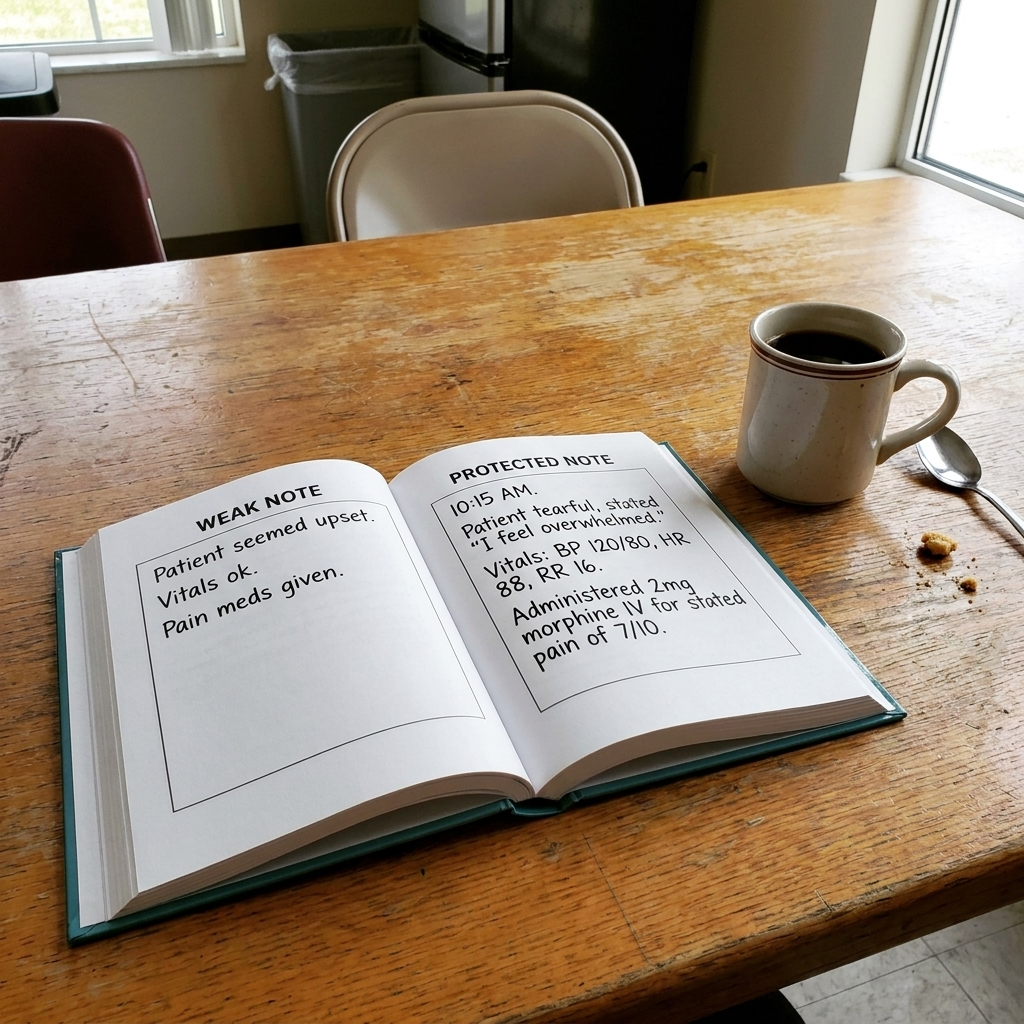
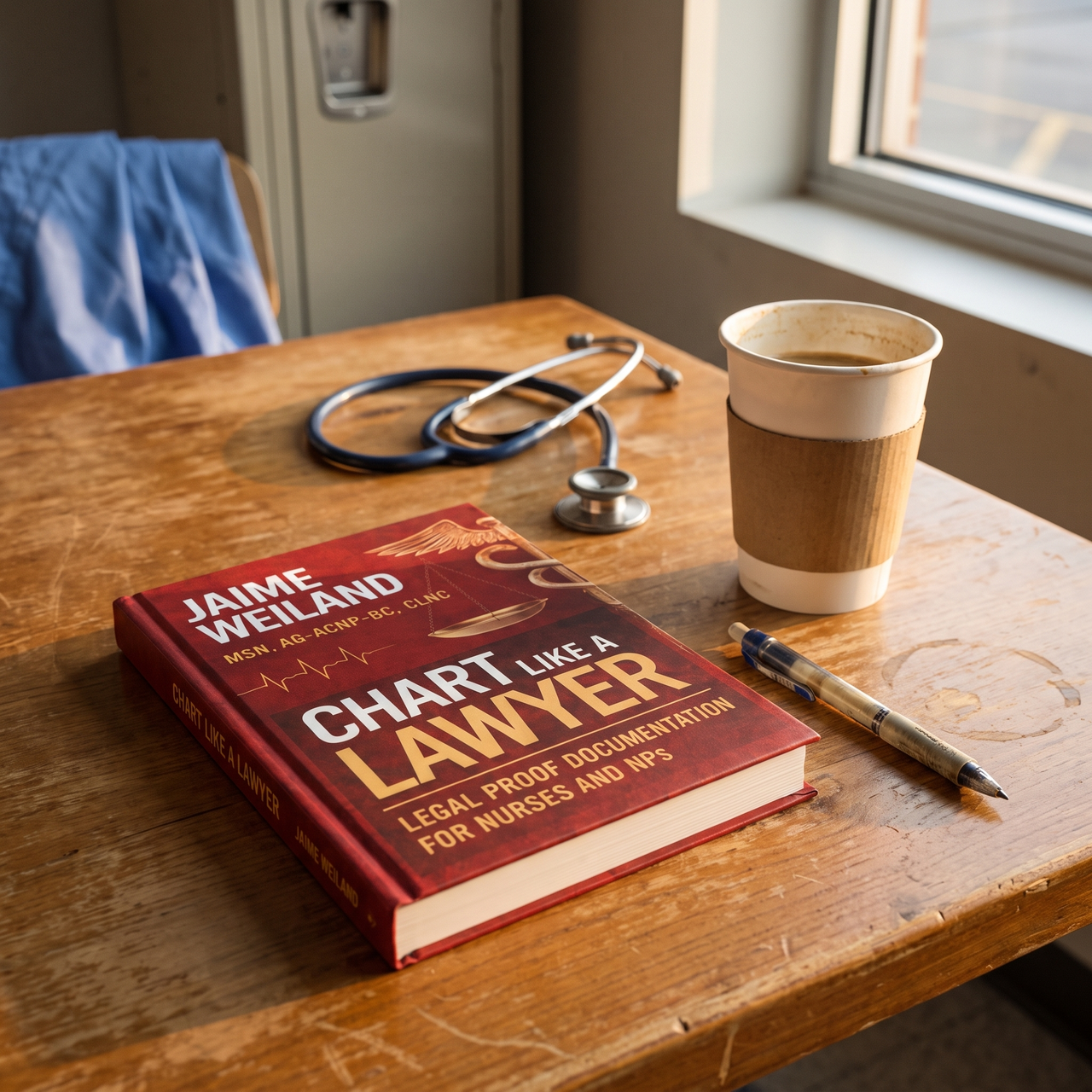
It was written by Jaime Weiland, a nurse practitioner who's lived your exact shift, and a legal nurse consultant whose job is reading charts the way the hospital's attorney reads them. It doesn't take time you don't have or details you can't recall. It works on any shift, at any ratio, because it's about how you write the note, not how much. Follow the examples — the weak note and the protected note, side by side — and you'll chart differently by your very next shift. And the whole book costs under forty dollars: less than one takeout dinner, with no course or subscription waiting at the end of it.
KNEW EXACTLY WHAT TO WRITE
Rebecca L.
Verified Buyer
"I expected another dry textbook. Instead it showed me the weak note next to the protected note, over and over. By my next shift I was already charting differently. The 'will continue to monitor' section alone was worth it."
5.
IMAGINE CLOSING YOUR EYES AND ACTUALLY STAYING SHUT
Picture your next hard shift ending. You write the note once, and it holds — the reasoning, the calls, the details all on the page where they belong. You drive home, you get into bed, and when your head hits the pillow there's simply nothing to replay. Not because the day was easy, but because the chart is doing the remembering for you now. You leave work at work, finally, in the one place it always followed you.
That's what nurses tell us again and again. Veterans with thirty years in say they wish they'd had it at the start. New grads say they finally feel like they know what they're doing. One nurse was removed from a lawsuit completely — pulled out of it — because of how she'd charted. Her words: what I charted is what happened. That was the entire defense.
For less than the price of a takeout dinner, you get the exact skill that quiets the 2 a.m. replay for good — and protects the license you spent years and thousands of dollars to earn. It's already sold out once because word spread so fast among nurses. And there's a guarantee: read it, and if it doesn't change how you chart, you're covered. The only real risk left is another night spent holding a gap together in the dark that a single line on the page could have closed. Tap below and grab your copy while it's in stock.
Karen M.
Verified Buyer
"I genuinely used to lose sleep after every rough shift, replaying everything. Once my charting actually held up, that stopped. I write it, I trust it, and I rest. That peace of mind alone was worth a hundred times what the book cost."
THE HOSPITAL PROTECTS THE HOSPITAL. YOUR CHART PROTECTS YOU.
CHART LIKE A LAWYER
By Jaime Weiland — Legal-Proof Documentation for Nurses & NPs. Learn to chart so it protects you.
$59.99
Only $39.99


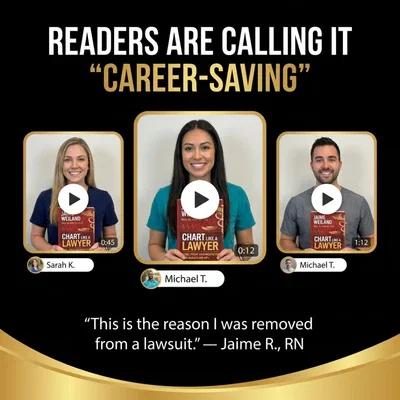


4.8 Stars — 10,000+ Verified Reviews